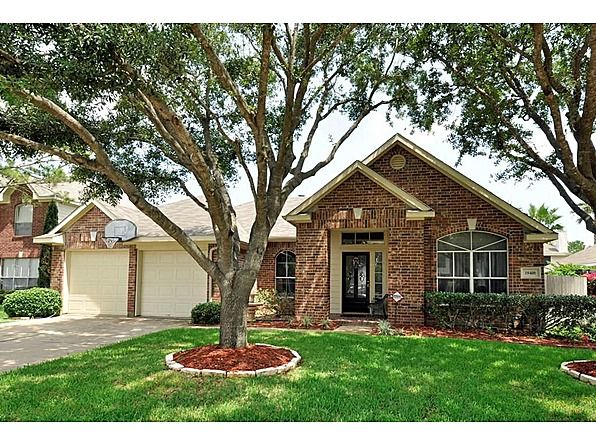
I still remember my first property auction. Ironically, it was for the house right next door.
People gathered outside the property while the auctioneer rattled off numbers so fast I could barely understand what he was saying. It felt more like watching a movie than a real estate transaction. As the price climbed, I kept looking around, wondering, Who just bid? At times, it almost seemed as though the auctioneer was pushing the price higher without anyone actually raising a paddle.
When the bidding ended, my neighbor across the street won the property. The final price was so close to market value that I couldn’t understand why anyone would take on all the uncertainty for such a small discount.
That day taught me one of the most important lessons about buying at auction: while you can occasionally find incredible bargains, you never really know what you’re buying.
Most auction properties cannot be inspected before the sale, so your due diligence has to happen long before the auction begins. Fortunately, there are ways to gather valuable information.
I start by searching old real estate listings to see if I can find interior photos. Even if they’re several years old, they can reveal the home’s layout and condition before it fell into distress.
Next, I review the property appraiser’s records and Google Maps’ aerial and street views. Sometimes the aerial images can provide clues about the roof’s condition, additions, or other exterior issues.
I also check the local building department for permit records. Permits can tell you when the roof was replaced, whether the HVAC system has been updated, if plumbing or electrical work was performed, and whether improvements were properly permitted. This information helps estimate future repair costs before placing a bid.
The biggest unknown, however, isn’t always the property—it’s the occupant.
Many auction properties are still occupied, often by the very person who lost the home. That individual could become your next cooperative tenant—or your next eviction. Plus, this person is not happy. They can do damage to the house out of spite. We had a guy take all the copper piping out of the house.
For that reason, I always build the potential cost, time, and legal expense of an eviction into my bidding strategy. A property isn’t a bargain if it takes months and thousands of dollars just to gain possession.
I also research the property‘s owner. The property appraiser’s website usually provides the owner’s name, which is enough to begin gathering publicly available information. I may review professional profiles, public court records, and litigation history to better understand the circumstances surrounding the property. Why was the property lost? Is there a history of lawsuits? Are there other factors that could affect the transition after the sale?
The goal isn’t to judge people. It’s to understand the risks that come with the investment.
Successful auction investing isn’t about getting caught up in the excitement of fast-paced bidding. It’s about making informed decisions before the auctioneer ever says, “Sold.”
Do your homework, know your numbers, and never let the thrill of the auction override your investment strategy.