Why Paying Attention to Those Tiny Cracks is Important
The exterior walls of a property are easy to overlook, but they play an important role in protecting your investment. Cracks may seem minor, but they can allow water to enter the inside of the home, leading to damage that may not become visible until it is extensive.
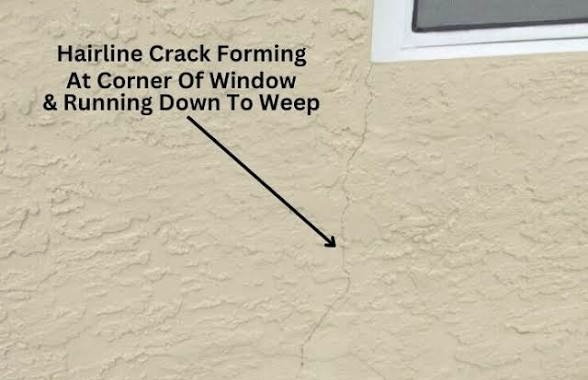
I’ve handled many cases where a seemingly insignificant hairline crack on the exterior allowed water to slowly seep into the home. Over weeks or months, that hidden moisture can damage drywall, flooring, and other materials. By the time the problem becomes visible, the damage may be significant—and “long-term seepage and leakage” is an exclusion found in many insurance policies.
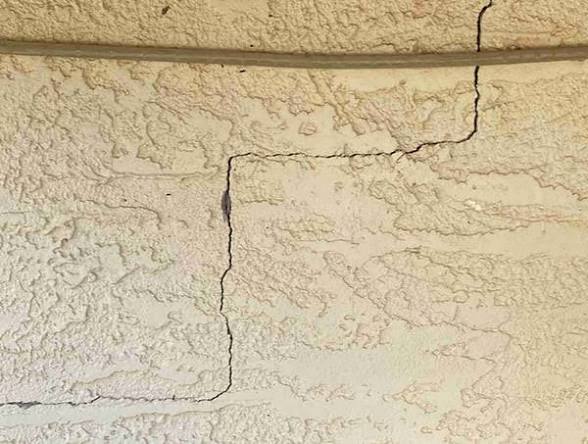
Not all cracks are created equal. Their size, direction, location, and pattern can provide clues about what is happening:
- Hairline cracks may be related to normal settling or minor movement.
- Vertical cracks can sometimes indicate foundation movement or other structural concerns.
- Horizontal cracks may be more concerning, particularly when associated with foundation or wall movement.
- Stair-step cracks can signal more significant structural movement and should not be ignored.
The appropriate repair depends on the cause and severity of the crack. Minor cracks may be addressed with epoxy or polyurethane fillers, flexible sealants, or mortar. More significant movement may require specialized repairs, such as carbon-fiber reinforcement or other structural solutions.
Before simply filling a crack, determine why it formed and whether it is changing. When in doubt, have the condition evaluated by a qualified professional. Addressing a small problem early can be far less expensive than repairing the damage it creates later.