Risk Tolerance- Building a Portfolio
Portfolio building ultimately comes down to your personal risk tolerance. I capped myself at two mortgages at any given time, strictly limiting my debt to what I could comfortably cover on my own salary. While some investors argue that’s leaving money on the table, it kept me grounded.
Strategies like BRRRR (Buy, Rehab, Rent, Refinance, Repeat) are great for rapid equity growth, but the heavy debt load never sat right with me. I remember a friend boasting about being in the “million-dollar club”—meaning she carried over $1 million in debt to hold $2.5 million in real estate.
The part that often gets overlooked? Interest. That mountain of debt comes with a monthly bill, and every dollar spent on interest is a dollar that isn’t going into your pocket or building your reserves.
My approach was far more conservative:
- Initial Leverage: I tapped my primary network (family) for my first purchase and used a vacation home classification for the second to secure a lower interest rate.
- Primary Equity Recycling: I repeatedly leveraged the equity in my primary residence to finance acquisitions, locking in lower primary-residence interest rates, paying off the debt aggressively, and repeating the cycle.
- Sweat Equity: My family and I handled most repairs directly to maximize profit margins and keep costs down.
- Disciplined Paydown: I paid the mortgage out of pocket and most of the rental income could go straight toward slashing the principal balance. Covering operating expenses myself kept the paydown relentless. I never deviated, paying off every property in under ten years—my fastest in just six.
I always feared long-term vacancies, watching “Days on Market” tick up on Zillow and knowing multiple empty units could stall a portfolio. Limiting my debt meant I never had to depend on every property being occupied just to keep the bills paid
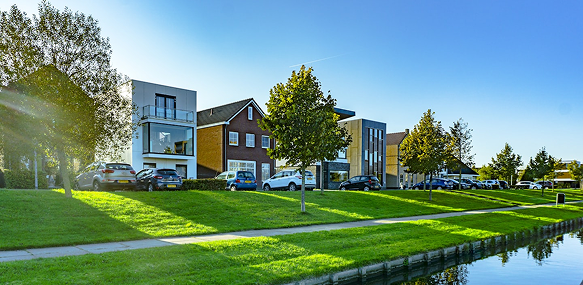
Looking back, if I have any minor regret, it’s not taking fuller advantage of those historically low interest rates to buy a bit more property when money was essentially on sale. To this day, whenever I pass this particular house, I remember my dad nudging me to buy it. Debt is a tool. At today’s price, I have simply decided that the price of that tool—and the risk that comes with it—isn’t worth it for me. A heavy cash buy is more palpable.
But in hindsight, I don’t regret my choices for a second. Instead of overleveraging myself and spending every waking moment managing dozens of doors, I chose to live my life. I enjoyed my family. I traveled. I had the freedom to walk away from a deal—or a property—without worrying that one vacancy or major repair could bring the whole house of cards down.
Today, I carry a single mortgage on my primary home while owning all of my investment properties free and clear. Every dollar of rental income flows straight into a healthy war chest—easily covering my primary mortgage interest with plenty left over, primed for the next right opportunity.
Meanwhile, that same friend is still juggling multiple mortgages, crushing interest payments, contractors, and property managers—yet she only has one more property than I do. Of course, there’s another side to the story: her tenants are paying down that debt for her. So which strategy was better?
Maybe neither.
.