The Old Man is Always Right!
We were actually at the property to address a complaint about a broken washing machine. But the second I stepped into the house and glanced toward the den, the washer was completely forgotten.
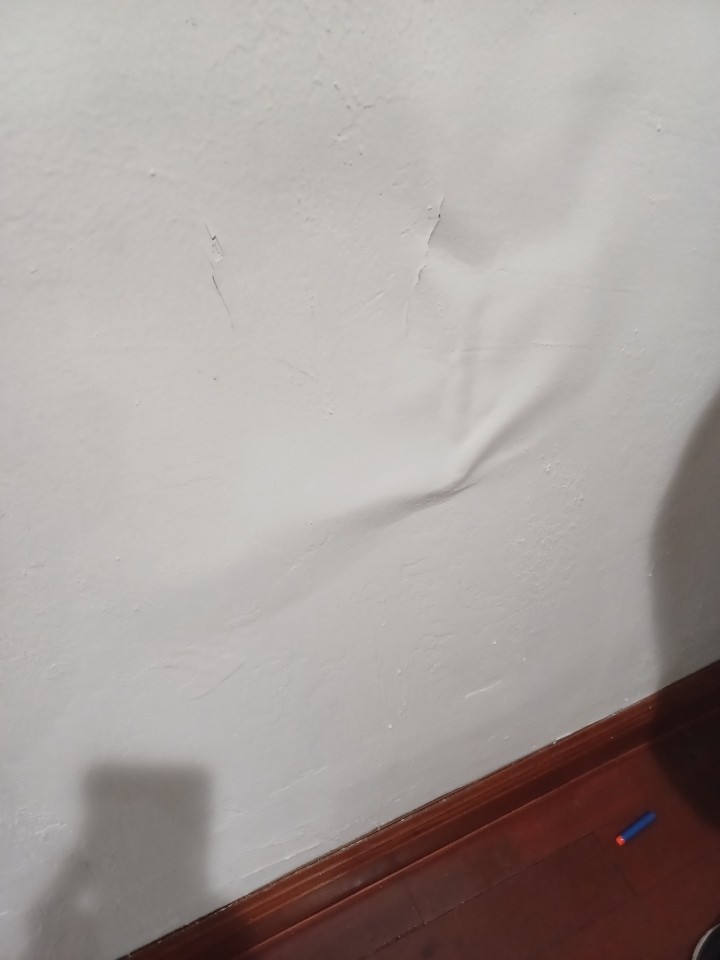
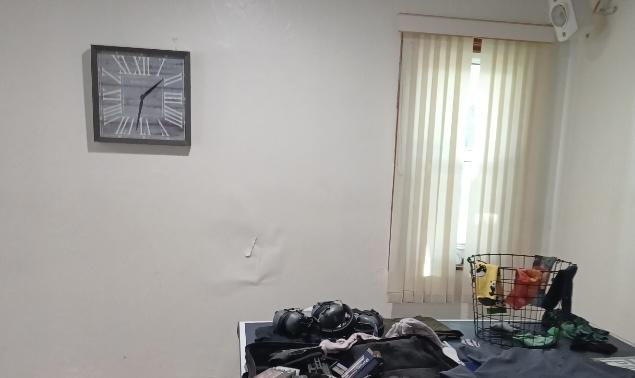
The wall was wrinkled. I walked over and pressed my thumb against it—it was soft. Water!
Instinct took over. I bolted up into the attic, expecting to find a roof leak, but the decking was bone-dry. I went outside to inspect the exterior siding, but everything looked pristine. Frustrated, I snapped a photo of the squishy wall and texted it to my dad.
His reply came back instantly, without a shred of hesitation: “It’s the window.”
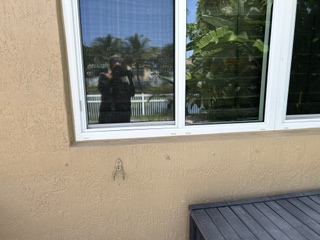
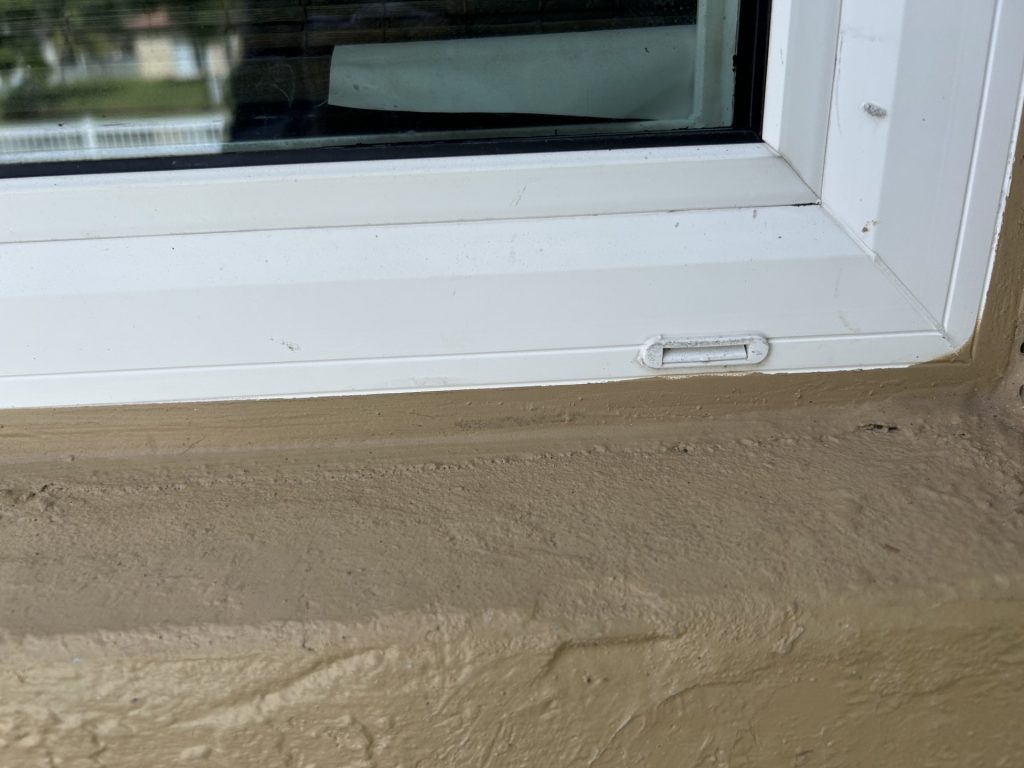
I stared at my phone. What window? The nearest window was several feet away from the damage. He texted back: ” Check the weep holes to make sure they aren’t clogged, and recaulk the exterior frame.”
I don’t know why I ever doubted him. It turns out the window’s weep holes—the tiny drainage slots designed to let track water escape—were clogged. The water had backed up, found a tiny crack in the exterior caulking, and seeped behind the siding. From there, it traveled along the framing studs until it pooled right where I found it.
A costly lesson: This kind of hidden damage usually falls under the “lack of maintenance and long-term seepage” exclusion in most homeowners insurance policies. If a tiny crack lets water in over time, you’re likely paying for the repairs out of pocket.
Needless to say, I cleared the tracks and caulked the frame immediately. Now, inspecting weep holes and checking for deteriorating caulking on all elevations is a permanent part of my routine. It’s wild how a gap no wider than a fingernail can cause massive water damage—and how the old man can spot it from a single photo.